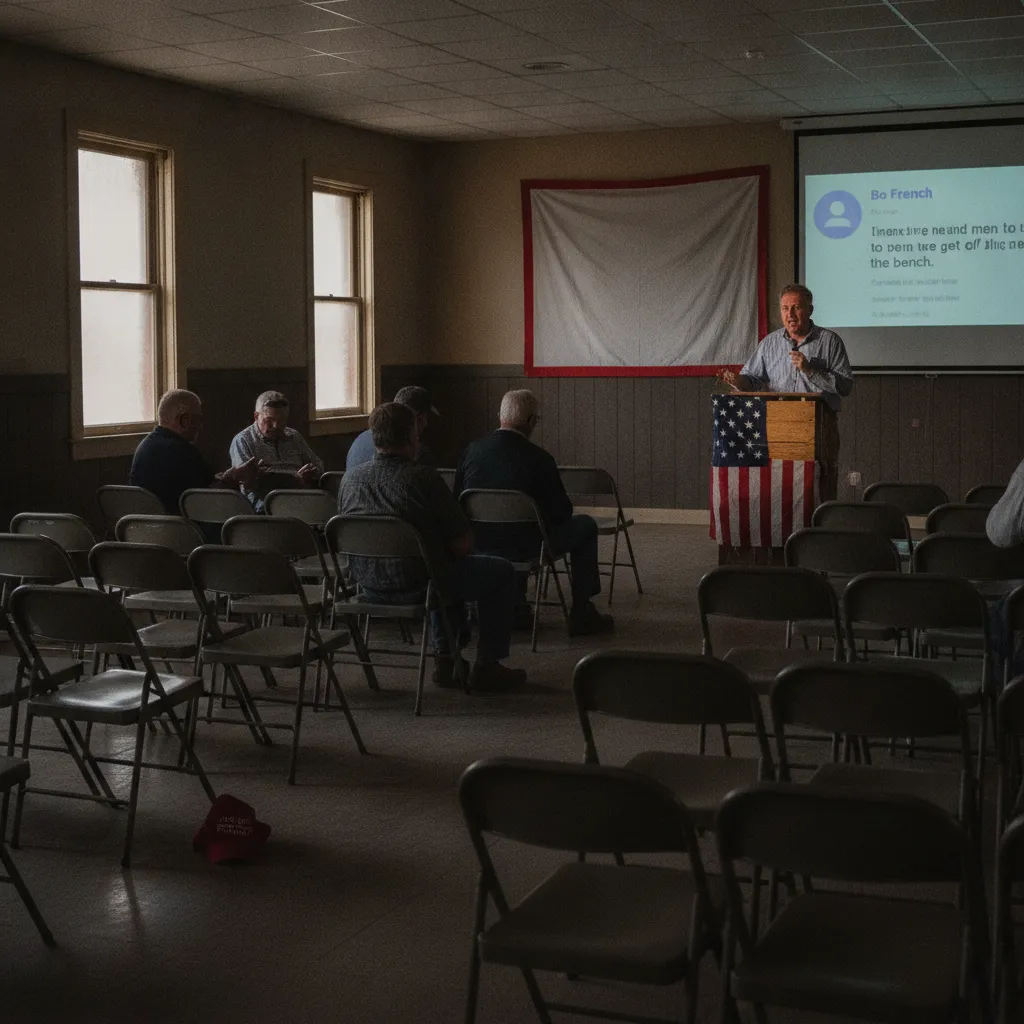
Panic is beginning to set in across various levels of the Republican party as leaders realize their base may simply stay home this November. From Georgia to Texas, candidates are sounding the alarm about a growing complacency among rural voters and a visible lack of urgency compared to their opponents. In Texas, candidate Bo French has gone as far as calling out men in lagging counties via social media, urging them to get off the bench because the other side is already showing up. This internal anxiety is backed by data suggesting a widening enthusiasm gap, with recent polling indicating that Democratic leaners are significantly more motivated to hit the polls than they were four years ago, while Republican energy has remained stagnant.
Party insiders admit that motivating their supporters is currently a steeper hill to climb than the Democrats’ strategy. One Republican National Committee official noted that while opposing the current administration is simple messaging, selling specific accomplishments amidst economic instability and high gas prices is far more complex. There is a sense that voters are experiencing a general political fatigue, exhausted by constant ads and texting campaigns. Local officials in swing states like North Carolina describe a public that is essentially throwing up their hands, creating a precarious environment where an uninformed or disengaged voter becomes a liability for the ticket.
The struggle highlights a fundamental challenge for the GOP: trying to maintain the massive coalition Donald Trump built without having him personally on the ballot. While Republicans possess a formidable financial advantage and favorable redistricting maps, these structural wins cannot replace actual bodies at the voting booth. Early voting data from Kansas and North Carolina suggests Democrats are successfully recruiting infrequent voters who typically skip midterms—the very same demographic that helped propel Trump to victory in previous cycles.
To counter this trend, organizations like Turning Point USA have launched aggressive ballot chasing operations designed to hunt down irregular voters who might otherwise forget to participate. It is a shift in strategy for a party that previously took its base’s excitement for granted during the Trump era. As deadlines approach, GOP strategists acknowledge they are playing catch up with Democratic mobilization tactics, concluding that their primary mission now is simply to bother their own supporters relentlessly until they actually cast their ballots.